
Emergency Water Extraction
Water pulled off floors and out of carpet, day or night, before it spreads.
View service (602) 878-3892
Getting the water off the floor is half the job. The other half is drying what soaked it up, and in older homes that means plaster, block, wood floors and old slabs that hold water longer than new materials.
North Central Water Damage is a free referral service, not a restoration company. Calls are answered by independent local providers who set their own prices.
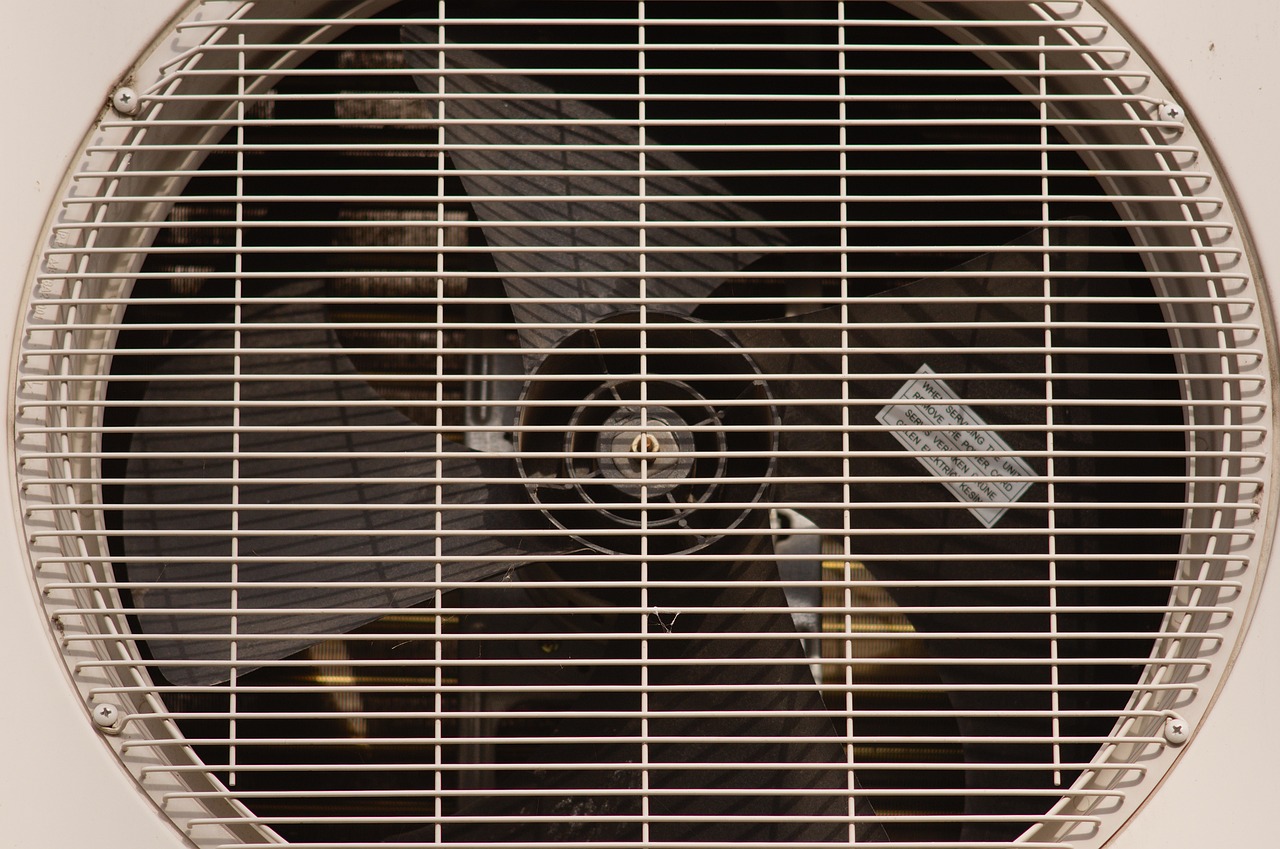
Drying and dehumidification in North Central Phoenix uses air movers, dehumidifiers and sometimes drying mats and small wall openings to pull water out of building materials until moisture readings match dry areas of the same home, usually over three to six days.
Air movers push fast air across wet surfaces so moisture evaporates, and dehumidifiers pull that moisture out of the air. Technicians take readings in marked spots on walls and floors each day and move equipment as areas dry. Wood floors may get special drying mats. Plaster and block are watched closely because they dry slowly. When readings match dry reference areas, equipment comes out and repairs start.
Wet and dry areas measured.
Air movers and dehumidifiers sized to the space.
Readings logged; equipment adjusted.
Equipment removed.
Plaster or drywall that feels damp.
Odor that grows.
Wood floors still raised.
Baseboards or cabinets puffing.
Areas cool to the touch.
Water on the floor right now? Call (602) 878-3892 for a local provider.Open 24/7 · Talk to a local provider in North Central Phoenix
Call 24/7 (602) 878-3892Plaster over block or lath holds water deep inside. Old wood floors absorb water through the bottom and cup. Older slabs may lack a vapor barrier, so moisture lingers. Each needs a plan and patience, not just a fan.
Ask to see the readings each day. A simple log shows progress and supports an insurance claim.
Repairs should start only after materials are dry. Closing a wet wall or refinishing a damp floor traps moisture. For growth that already started, see mold inspection and removal. The EPA mold guidance explains why fast drying matters.
Irrigation water at the garage door? Talk it through on the phone.Open 24/7 · Talk to a local provider in North Central Phoenix
Call 24/7 (602) 878-3892
Each spot measured.
Equipment moved.
Slow areas discussed.
Final readings recorded.
Rusty water and a damp wall? Ask about old pipe leaks.Open 24/7 · Talk to a local provider in North Central Phoenix
Call 24/7 (602) 878-3892| Equipment | Job | Notes |
|---|---|---|
| Air mover | Moves air across surfaces | Loud |
| Refrigerant dehumidifier | Pulls water from air | Most rooms |
| Desiccant dehumidifier | Very dry air | Wood floors and dense materials |
| Floor drying mats | Pull water from wood floors | Can save hardwood |
| Factor | Why it matters | What to ask on the call |
|---|---|---|
| Area affected | Rooms and how far water spread | Which rooms are wet? |
| Water category | Clean, grey or sewage | Which category is this? |
| Materials removed | Baseboard, plaster, drywall, pad | What can dry in place? |
| Drying days | Days of equipment | How will readings be shared? |
| Materials | Plaster and wood dry slower | Which areas take longest? |
Mold can start within 24 to 48 hours. Call (602) 878-3892 to get equipment set the same day.
Water on the floor right now? Call (602) 878-3892 for a local provider.Open 24/7 · Talk to a local provider in North Central Phoenix
Call 24/7 (602) 878-3892Do not cover wet floors with rugs or plastic or close wet walls. Trapped moisture is how mold starts.
Before drying & dehumidification work in North Central Phoenix, ask for the company's Arizona Registrar of Contractors license number and check it with the Arizona ROC license lookup. Plumbing and roofing repairs need ROC-licensed contractors in those trades. Ask whether the technicians hold IICRC certification, and ask for proof of liability insurance before anyone starts.
Drying is the longest part of water damage restoration in North Central Phoenix and decides whether the repair is paint or a new wall.
Irrigation water at the garage door? Talk it through on the phone.Open 24/7 · Talk to a local provider in North Central Phoenix
Call 24/7 (602) 878-3892Original oak or pine floors can often be saved with drying mats that pull water up through the boards and dehumidifiers that keep the air dry. Cupping may ease as the wood dries; refinishing comes after.
Most families stay home during drying. The units are loud and warm and raise the power bill, which some insurers reimburse. Ask where equipment can go to keep a bedroom quiet.
When the problem is still damp after a leak, the materials matter. Many homes in North Central Phoenix have plaster walls over block or lath, original wood floors under carpet, and older slabs. Plaster can often be dried in place where drywall would be cut out, but it dries slowly and needs steady readings. Wood floors cup when wet and may flatten again if dried carefully. Ask the provider how they handle each material in an older home before anything is removed.
Rusty water and a damp wall? Ask about old pipe leaks.Open 24/7 · Talk to a local provider in North Central Phoenix
Call 24/7 (602) 878-3892For still damp after a leak claims, call your insurer or agent as soon as the water is stopped. Ask whether they want an adjuster to see the damage before drying starts and keep receipts for anything you buy. Ask the restoration provider for daily photos and moisture readings so your claim has a clear record.
With still damp after a leak in a rental, act fast. Many homes and apartments in this part of Phoenix are rentals. Renters should tell the landlord right away, in writing, with photos. The building is usually the owner's responsibility; belongings are covered by renters insurance. Owners who start drying the same day nearly always spend less on repairs.
Still damp after a leak problem right now? Call (602) 878-3892; an independent local provider answers 24 hours a day and can usually come the same day.
Water on the floor right now? Call (602) 878-3892 for a local provider.Open 24/7 · Talk to a local provider in North Central Phoenix
Call 24/7 (602) 878-3892During monsoon season, outdoor humidity rises sharply. Opening windows on a humid evening can add moisture to a drying room. Keep windows closed and let dehumidifiers control the air.
Before equipment leaves, ask for the final readings and walk the area together. Look for soft spots, swelling and smells. If something seems off in the weeks after, call back for a recheck.
Older cabinets may be solid wood that dries well; newer ones are often particleboard that swells. Toe kicks can be removed and air blown underneath, and small holes drilled in hidden spots let air reach the space behind.
Irrigation water at the garage door? Talk it through on the phone.Open 24/7 · Talk to a local provider in North Central Phoenix
Call 24/7 (602) 878-3892Surfaces can feel dry while the material inside still holds water. Paint over damp plaster bubbles; flooring laid over a damp slab cups; baseboards nailed onto a wet wall swell. Readings taken in the same spots each day show when materials are truly dry and protect you from paying twice.
Equipment sized to the room, readings in marked spots every day, adjustments as areas dry, clear explanations before anything is removed and a final log when the equipment leaves. If you are not getting those, ask.
Start the same day, keep equipment running, let readings decide when it is done and only then start repairs.
Rusty water and a damp wall? Ask about old pipe leaks.Open 24/7 · Talk to a local provider in North Central Phoenix
Call 24/7 (602) 878-3892Water often reaches closets, laundry rooms and hallways with little airflow. Doors may need to stay open and equipment may need to run inside closets. Stored items should come out so air reaches walls and floors. These small spaces often finish drying last.
Some older slabs were poured without a vapor barrier underneath, so moisture from below and from the leak lingers. Readings on the slab may take longer to reach target, especially under flooring. Patience here prevents flooring failures later.
Drying is where water damage jobs are won or lost. In older homes, plaster, wood floors and old slabs need patience, the right equipment and daily readings. Rushing to close walls or refinish floors before they are dry leads to mold, peeling paint and failed flooring. Let the numbers decide.
Water on the floor right now? Call (602) 878-3892 for a local provider.Open 24/7 · Talk to a local provider in North Central Phoenix
Call 24/7 (602) 878-3892Ask for a copy of the full drying log when the job ends and keep it with your insurance records. If questions come up later about mold, flooring or paint, the log shows exactly how wet each area was and when it reached the dry standard, which protects you as the homeowner and helps any future contractor. Ask the provider to explain any area that took longer than expected, and write down the date equipment was removed. If a smell or soft spot appears in the weeks after, call back for a recheck with the log in hand so they can compare new readings with the old ones.
Closed, air-conditioned homes and monsoon humidity slow natural drying; dehumidifiers control it.
Usually three to six days; plaster and wood floors can take longer.
Please don't; it slows drying.
Readings match dry areas of the same home.
Water pulled off floors and out of carpet, day or night, before it spreads.
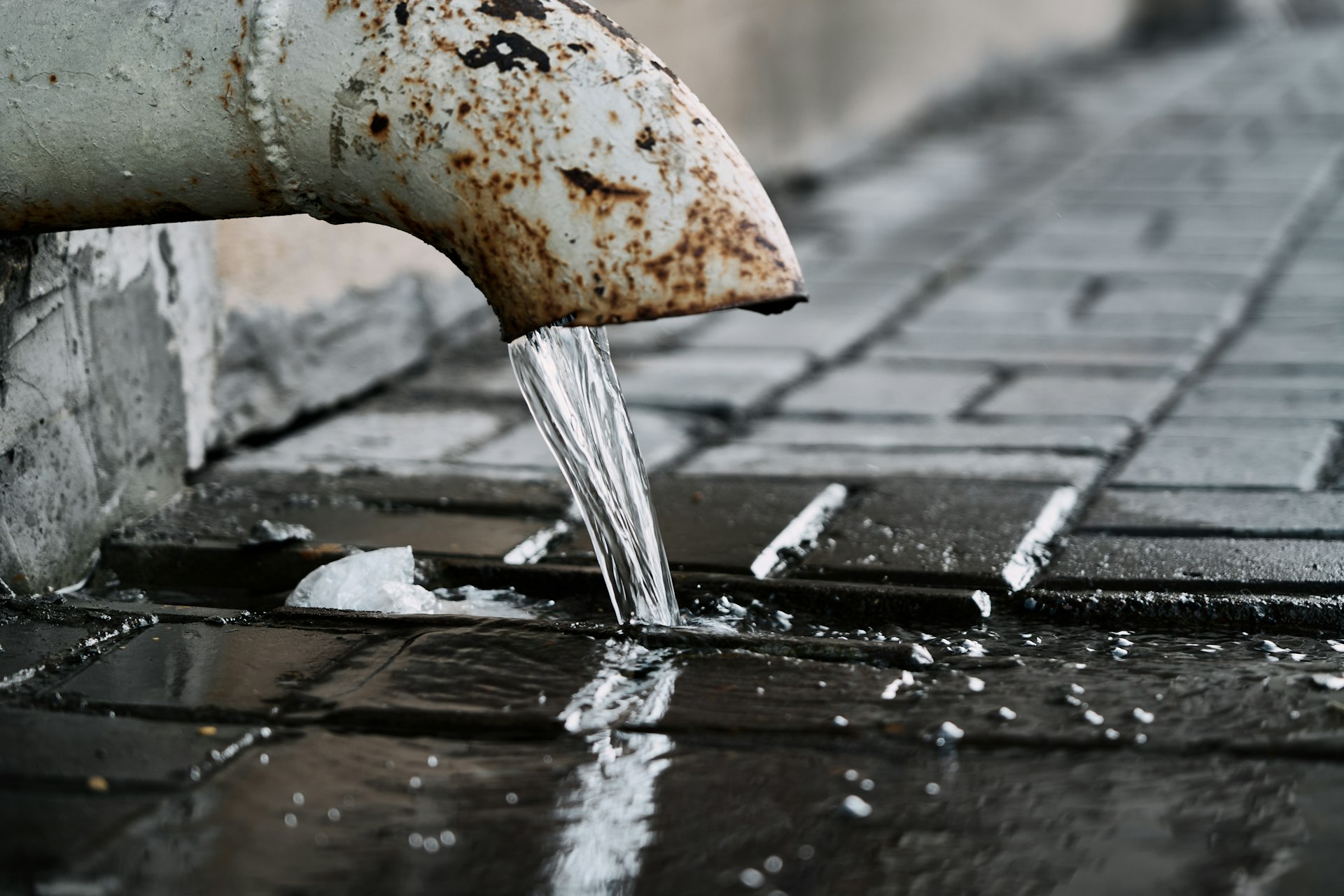
Leaks from 1940s to 60s galvanized and cast iron pipes cleaned up and dried.
Irrigation water that reached garages, patios and walls dried and the cause found.
Water through tar-and-gravel, foam or shingle roofs dried out of ceilings and walls.
Sewage from root-filled clay and cast iron lines removed, sanitized and dried.
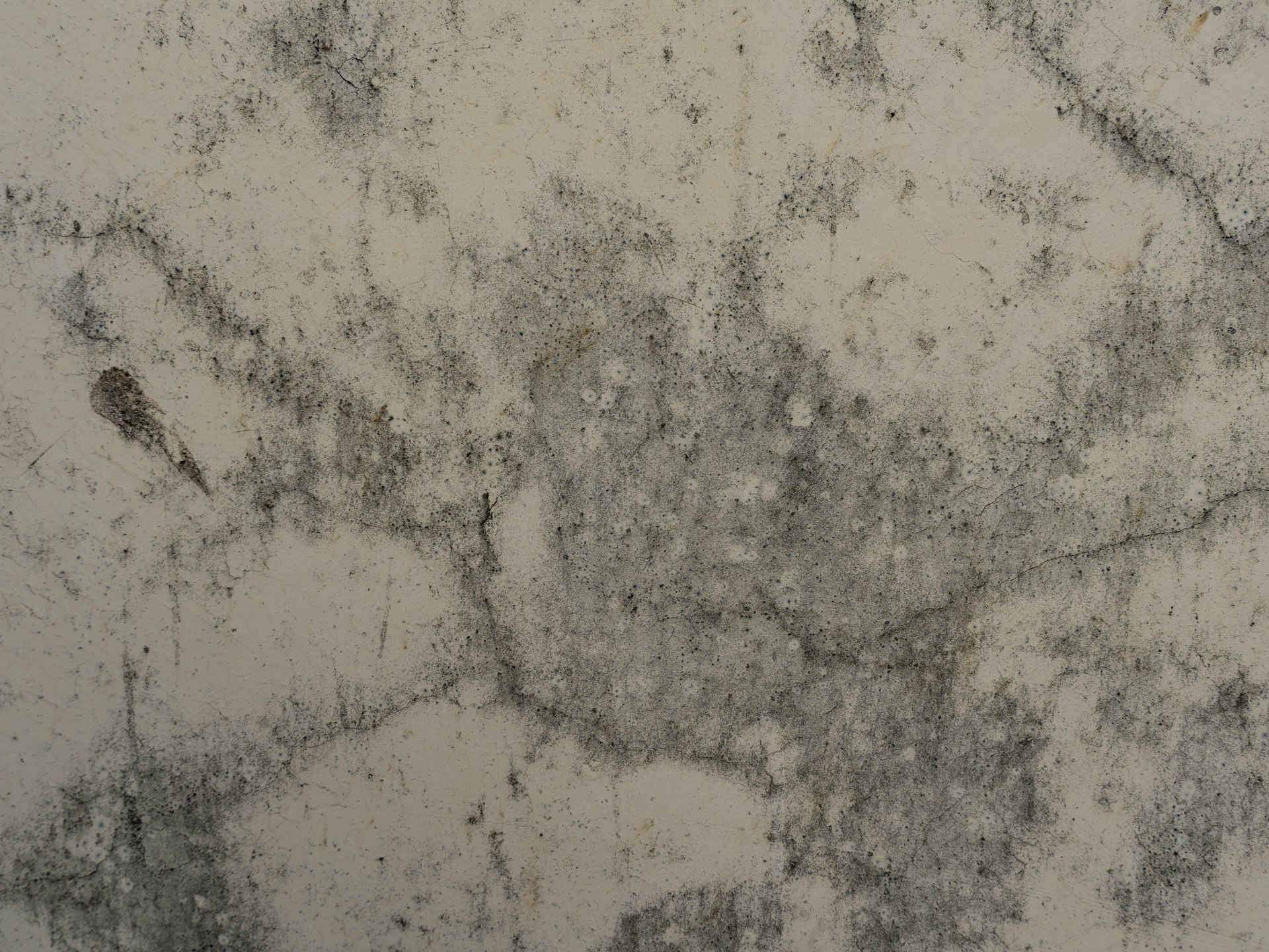
Moisture found, mold contained and removed, and the leak fixed so it stays gone.
Representative photos of the kind of work local providers handle.
Talk to a local provider
One call connects you with an independent restoration company that works across North Central Phoenix. They explain the plan and how the price is set before anything starts.
(602) 878-3892